
You’ve seen them before.
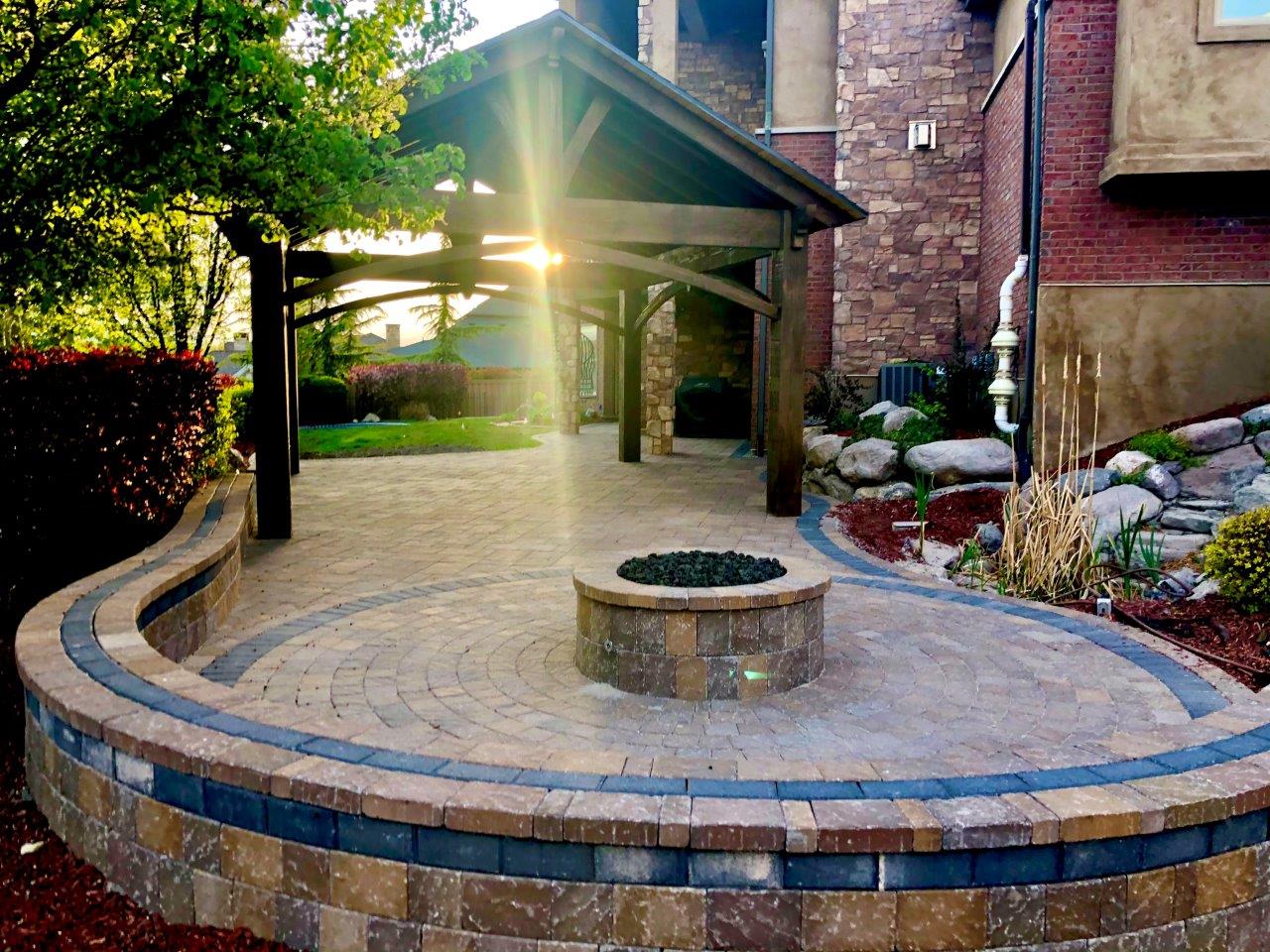
Beautiful fire pit. Nice pavers. Comfortable-looking chairs.
And yet somehow the space feels… awkward.
People stand instead of sit. Conversations never seem to get going. Guests wander around looking for a comfortable spot before eventually heading back inside.
The problem usually isn’t the fire pit.
It’s the layout.
A fire pit is supposed to bring people together. But when the surrounding space isn’t designed correctly, it can actually make people feel disconnected from one another.
The good news? Most of these problems are surprisingly easy to fix once you know what to look for.
The Fire Pit Isn’t the Destination
One of the biggest mistakes homeowners make is focusing all their attention on the fire pit itself.
They spend weeks choosing the perfect style, material, and size. Then they place it in the middle of the patio and assume everything else will work itself out.
Unfortunately, it rarely does.
Think about your favorite restaurant, coffee shop, or gathering place. Chances are you don’t love it because of a single feature. You love it because the entire space works together.
Your backyard is no different.
The fire pit should act as the anchor for the experience — not the entire experience.
Seating Is Usually Too Far Away
This is one of the most common layout mistakes we see.
Homeowners often place seating too far from the fire pit. It looks great in photos. It feels terrible in real life.
People naturally want to be close enough to feel the warmth, hear conversations comfortably, and engage with others without raising their voices.
When seating is too far away, conversations become fragmented, the fire provides less warmth, and guests feel disconnected from the group.
A well-designed fire pit area creates a comfortable distance that encourages interaction while still allowing everyone enough personal space.
Everyone Should Be Able to See Everyone
A surprising number of patios unintentionally force people to turn their bodies, move chairs, or lean awkwardly just to participate in conversations.
Good outdoor spaces create natural sightlines. Everyone should be able to see the fire, see each other, and join the conversation easily.
When this happens, people stay engaged longer. When it doesn’t, smaller side conversations begin forming and the energy of the gathering starts to break apart.
Your Patio Needs “Rooms”
Most homeowners think of their backyard as one large space. The best designers don’t.
The most inviting outdoor living areas function like a home. Inside your house, you have a living room, dining area, entryway, and gathering spaces — each serving a purpose.
The same principle applies outdoors. A fire pit area should feel like its own destination. Retaining walls, elevation changes, landscaping, and paver patterns can all help define spaces without making them feel closed off.
When guests subconsciously understand where each activity happens, the space feels more comfortable and natural.
Stop Fighting Your Slope
Utah yards aren’t always flat. And that’s actually a good thing.
Many homeowners view slopes as obstacles. Experienced designers see opportunities.
Elevation changes can create intimate seating areas, improve views, separate gathering zones, and add visual interest. A well-built retaining wall can transform an awkward hillside into one of the most attractive features of the property.
Instead of flattening everything, great design often embraces the natural contours of the yard.
Flow Matters More Than Square Footage
A large patio doesn’t automatically create a better experience. In fact, oversized patios often feel empty and disconnected.
What matters most is flow. Can guests move naturally through the space? Can they access seating without walking through conversations? Can people gather without feeling crowded?
The most successful patio designs feel effortless. Nobody notices the design because the design is working.
The Goal Isn’t a Fire Pit
This may sound strange coming from a company that builds fire pit patios.
But the goal isn’t actually a fire pit.
The goal is what happens around it.
It’s the late-night conversations. The family gatherings. The summer evenings that stretch longer than planned. The laughter that keeps everyone outside long after the sun goes down.
Those moments don’t happen because of pavers, retaining walls, or fire features alone. They happen because the space was designed to support them.
Start With a Design, Not a Product
Before choosing a fire pit style, selecting materials, or breaking ground, start with a plan.
A thoughtful design helps you avoid costly mistakes and creates a space that feels as good as it looks. You can see examples of what’s possible in our project gallery — real Utah backyards transformed into spaces families actually use.
At Strong Rock Pavers, we help homeowners design outdoor living spaces that bring people together and make the most of Utah’s unique landscapes.
Schedule your free design consultation and discover how your backyard can become the gathering place everyone wants to visit.