
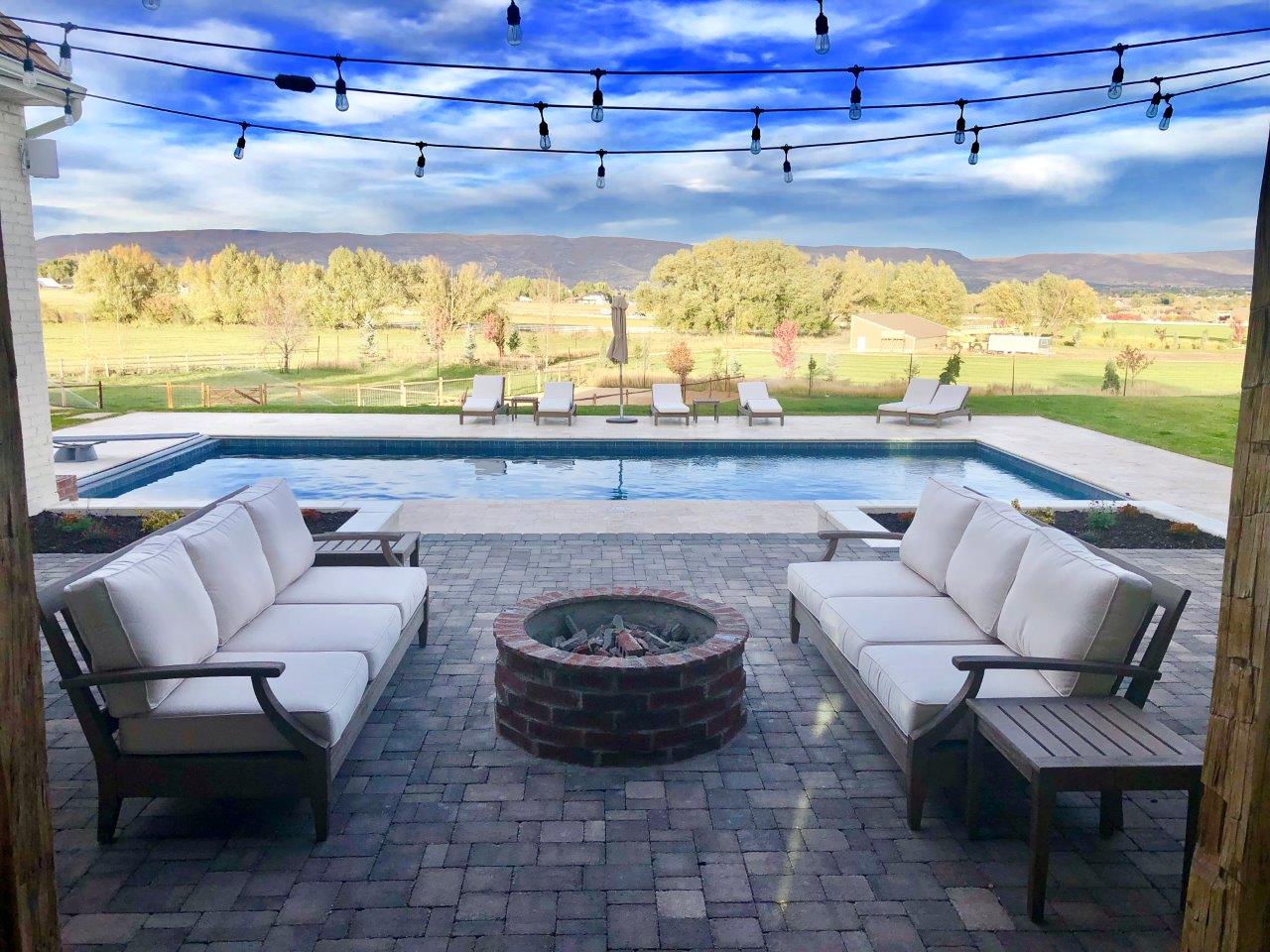
Most patios look fine, but a lot of them sit completely empty.
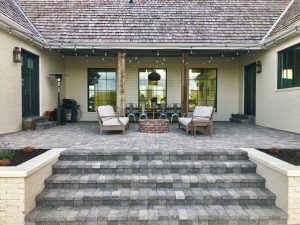
It isn’t because people don’t want to spend time outside. It’s because the space itself doesn’t invite them to stay. If you’ve ever walked into a backyard, looked around, and then gone back inside after five minutes—you’ve felt this exact problem.
So, what actually turns a standard patio into a place where people naturally gather and linger? It’s not just throwing a fire pit in the middle of the yard. It’s about how every element of your hardscape works together to create an experience.
Here are the five design elements that make the difference.
1. Layout Creates Conversation (Or Kills It)
A fire pit in the middle of a flat patio isn’t a gathering space; it’s just a feature. What actually makes people want to stay is a layout that feels intentional rather than dropped in at random.
This means designing seating areas that naturally face each other and maintaining a comfortable distance between guests—not too tight, but not too far apart. When people don’t have to think about where to sit, drag heavy chairs around, or figure out how to engage with the group, they naturally relax and stay much longer.
2. Anchor the Space with a Fire Pit
A very common landscaping mistake is treating the fire pit like a standalone accessory. In reality, it should act as the center of gravity for your outdoor living space.
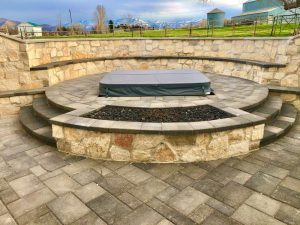
Instead of letting it float awkwardly on a massive slab of concrete, integrate it into the structural design. This might look like a slightly sunken fire pit area to help block the wind and create intimacy, built-in seating walls that wrap around the fire feature, or retaining walls that carve out a natural outdoor “room.” When the fire pit is integrated into the foundation of the layout, it pulls people in effortlessly.
3. Use Elevation to Create Depth
Flat patios are easy to build, but they are rarely memorable. Incorporating even minor elevation changes can completely transform the feel of your backyard.
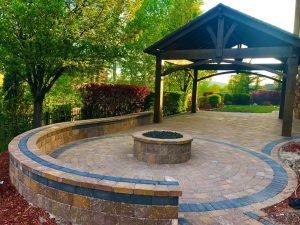
Steps, raised platforms, or sunken lounges create clearly defined zones, add immense visual depth, and make the overall space feel significantly larger. This is especially important in Utah, where many yards naturally have a steep slope. Instead of fighting the terrain with massive leveling projects, good hardscape design uses that slope to its advantage to build a dynamic, multi-level environment.
4. Strategic Lighting Extends the Night
A patio without integrated lighting has a built-in expiration time. Once the sun drops, the space becomes unusable.
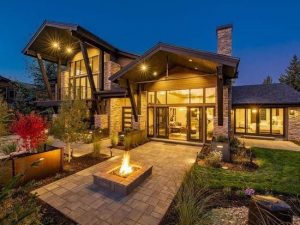
However, when you incorporate strategic landscape lighting, people stop checking the time. Soft perimeter lighting, step lights along elevation changes, and a subtle, warm glow under seating walls eliminate harsh shadows and create a welcoming ambiance. You don’t need blinding floodlights; you just need enough intentional illumination to make the space feel safe and inviting long after dark.
5. Flow Matters More Than Size
Bigger does not automatically mean better. A smaller, well-thought-out space will always get used more than a massive, open slab of empty concrete.
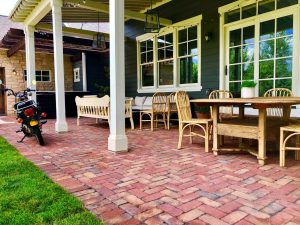
What people are really responding to when they step outside is how the space feels to move through. A successful patio design incorporates clear pathways, defined seating zones, and intentional transitions from the back door to the yard. Designing for flow ensures that your outdoor space never feels cluttered or confusing.
The Difference Between Installed and Designed
Most patios are simply installed. The ones people actually use are intentionally designed.
You don’t need to guess what would work best in your specific space; you can visualize it before a single paver is laid. At Strong Rock Pavers, we help you rethink your backyard with a free design consultation. We will walk you through layout ideas customized for your yard, perfect fire pit placements, and ways to use your existing slope to your advantage.
Most people don’t need a bigger backyard. They just need a better plan. Contact Strong Rock Pavers today to schedule your consultation and start building a space you never want to leave.